The Rise of Pre-Loved Fashion: How Second-Hand Clothing Is Shaping a More Sustainable Future
Fashion has always been about expression, identity, and change. But today, a new movement is changing the way we think about what we wear: pre-loved fashion.
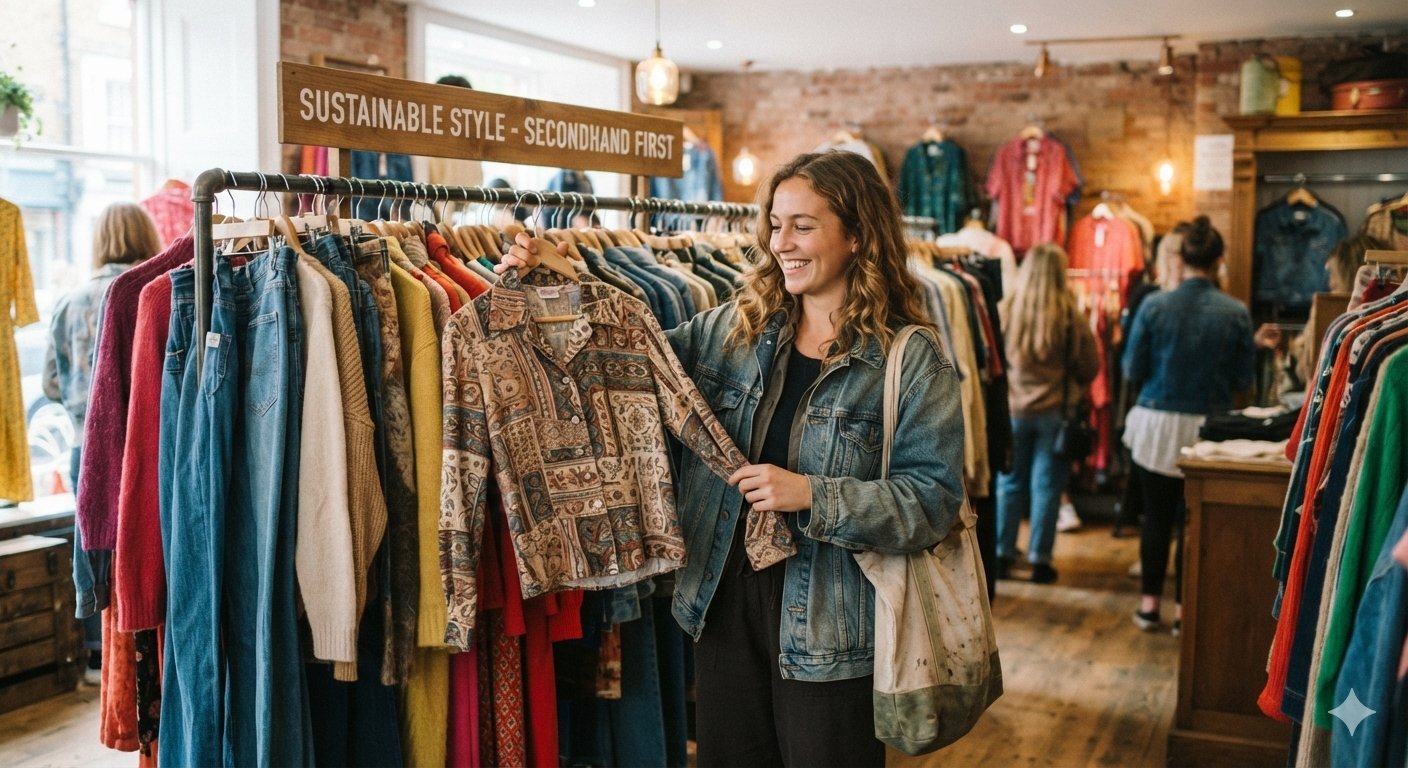
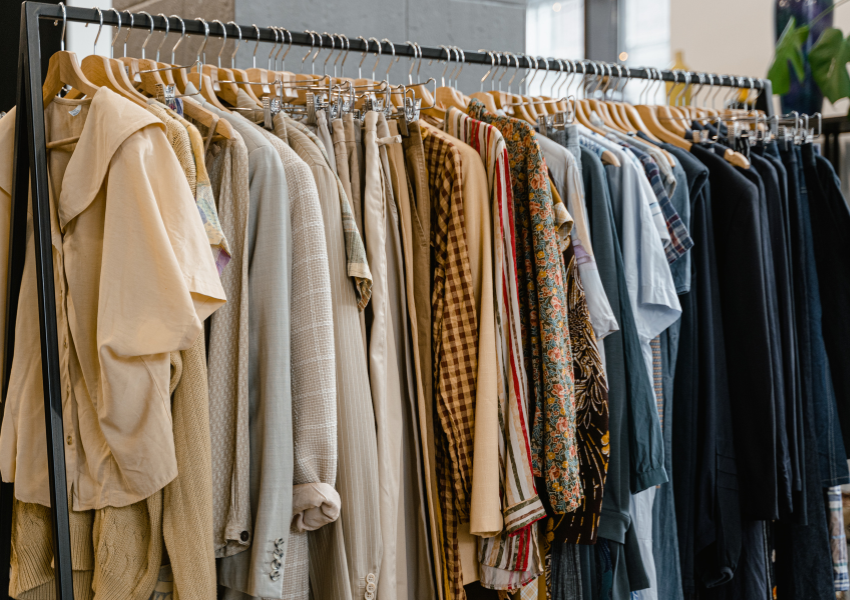
From vintage jackets and timeless denim to barely-worn designer pieces, pre-loved clothing is giving fashion a second life while helping consumers make more conscious choices.
What Is Pre-Loved Fashion?
Pre-loved fashion refers to clothing, footwear, accessories, and other fashion items that have been previously owned and are being sold, exchanged, donated, or reused by someone else.
Unlike the traditional idea of "second-hand clothing," the term pre-loved emphasizes the history and continued value of an item.
A piece of clothing doesn't necessarily become worthless simply because its first owner no longer needs it.
"The most sustainable garment is often the one that already exists."
A pre-loved item can continue its journey through multiple owners instead of ending up unused in a wardrobe or being discarded.
Why Is Fashion Sustainability Important?
The fashion industry produces an enormous amount of clothing every year. While this gives consumers more choices than ever before, it also creates significant environmental challenges.
Some of the major concerns include:
-
Excessive textile waste
-
High water consumption
-
Energy-intensive manufacturing
-
Chemical pollution
-
Carbon emissions from production and transportation
-
Overconsumption and disposable fashion habits
The Problem With Fast Fashion
Fast fashion focuses on producing inexpensive clothing quickly in response to constantly changing trends.
The result?
Clothes can become cheaper, but they may also be worn for shorter periods before being discarded.
A simple cycle often looks like this:
-
A new trend appears.
-
Large quantities of clothing are produced.
-
Consumers purchase inexpensive items.
-
Trends change quickly.
-
Old clothing is forgotten or discarded.
-
The cycle starts again.
This creates a culture where clothing can be treated as disposable rather than valuable.
How Pre-Loved Fashion Makes a Difference
Pre-loved fashion introduces a different approach.
Instead of constantly creating something new, we can extend the useful life of products that already exist.
1. Extending the Life of Clothing
When someone buys a pre-loved shirt, jacket, dress, or pair of jeans, the item gets another opportunity to be worn.
This can reduce the demand for producing an entirely new replacement.
2. Reducing Textile Waste
Unused clothing can eventually become waste.
Selling, donating, swapping, repairing, and purchasing pre-loved garments can help keep clothing in circulation for longer.
Longer use = less unnecessary waste.
3. Encouraging Conscious Consumption
Pre-loved shopping can encourage people to ask:
Do I really need this?
Will I actually wear it?
Can I find something similar that already exists?
These small questions can lead to more thoughtful purchasing decisions.
4. Discovering Unique Pieces
One of the most exciting parts of second-hand fashion is discovering something different.
Vintage pieces, discontinued collections, unique prints, classic silhouettes, and older designs can give your wardrobe a personality that isn't always found in mainstream stores.
Pre-Loved vs. Fast Fashion
| Feature | Pre-Loved Fashion | Fast Fashion |
|---|---|---|
| Product source | Previously owned | Newly manufactured |
| Product lifespan | Extended | Often shorter |
| Waste potential | Lower when reused | Higher when frequently discarded |
| Style | Often unique | Trend-driven |
| Shopping approach | More intentional | Often impulse-driven |
| Environmental focus | Circular use | High-volume production |
The Circular Fashion Idea

Pre-loved fashion is closely connected to the concept of a circular economy.
In a traditional linear model, clothing follows this pattern:
Make → Buy → Wear → Discard
A circular approach aims to keep products and materials useful for as long as possible:
Make → Buy → Wear → Resell → Reuse → Repair → Repeat
The goal isn't necessarily to stop buying clothes altogether.
Instead, it is about changing how clothing moves through our lives.
How to Build a More Sustainable Wardrobe
You don't need to completely change your lifestyle overnight.
Try these simple steps:
Step 1 — Buy Less, Choose Better
Before purchasing something, consider whether it will become a regular part of your wardrobe.
Step 2 — Explore Pre-Loved Options
Look at thrift stores, resale platforms, clothing swaps, vintage stores, and local pre-loved fashion communities.
Step 3 — Take Care of What You Own
Proper washing, drying, storage, and maintenance can significantly extend the useful life of clothing.
Step 4 — Repair Before Replacing
A missing button, small tear, or loose seam doesn't necessarily mean the garment needs to be thrown away.
Repair it.
Step 5 — Pass It Forward
If something no longer fits your style, consider:
-
Reselling it
-
Donating it
-
Giving it to a friend
-
Upcycling it
-
Participating in a clothing swap
Someone else might love what you no longer wear.
A Simple Rule to Remember
Before buying something new, ask yourself three questions:
-
Do I need it?
-
Will I wear it often?
-
Could I buy it pre-loved instead?
These questions don't require you to become a perfect sustainable shopper.
They simply encourage you to become a more conscious one.
Beyond Trends: The Value of Longevity
Fashion trends come and go.
A garment that survives several seasons, however, can become more valuable than something designed to be worn only a handful of times.
Think about a classic denim jacket, a well-made leather bag, a timeless white shirt, or a vintage dress.
These pieces can move between wardrobes, generations, and styles.
Good fashion doesn't always need to be new. Sometimes, it simply needs another chance.
The Future of Fashion
The future of fashion may not be about choosing between style and sustainability.
It may be about discovering that the two can exist together.
Technology is making resale easier. Online marketplaces are connecting buyers and sellers. Clothing rental and swapping are becoming more accessible. Consumers are becoming increasingly interested in where their clothes come from and what happens to them after they are finished using them.
The fashion industry is changing — and consumers have an important role to play in that change.
Final Thoughts
Pre-loved fashion isn't just about buying used clothing. It's about changing our relationship with what we wear.
Every time we choose to reuse, repair, resell, donate, or purchase pre-loved clothing, we help extend the life of something that already exists.
That doesn't mean every new purchase is wrong.
It simply means that new isn't always necessary.
Fashion can be expressive, affordable, personal — and more responsible.
The next time you open your wardrobe and see something you haven't worn in years, don't immediately think of it as waste.
Someone else might be waiting to give it a second life.