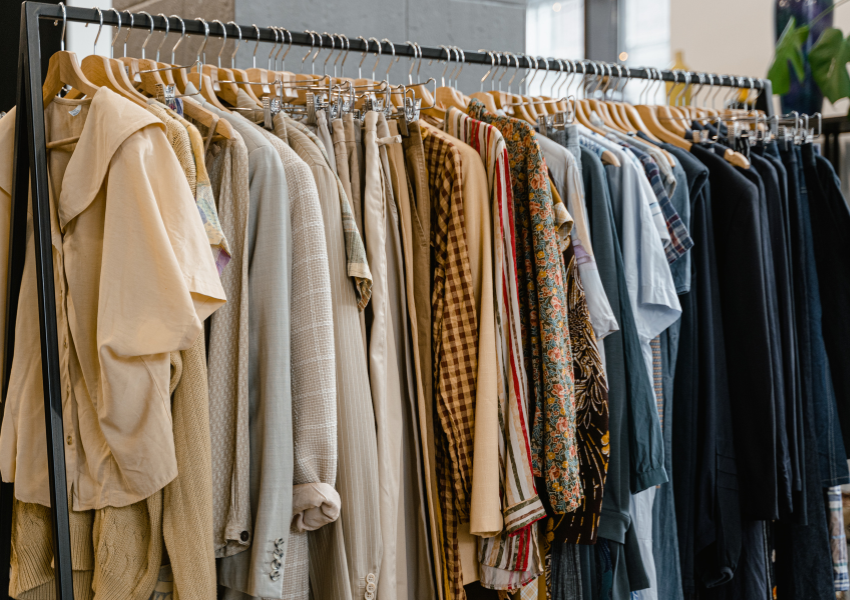
Sustainability
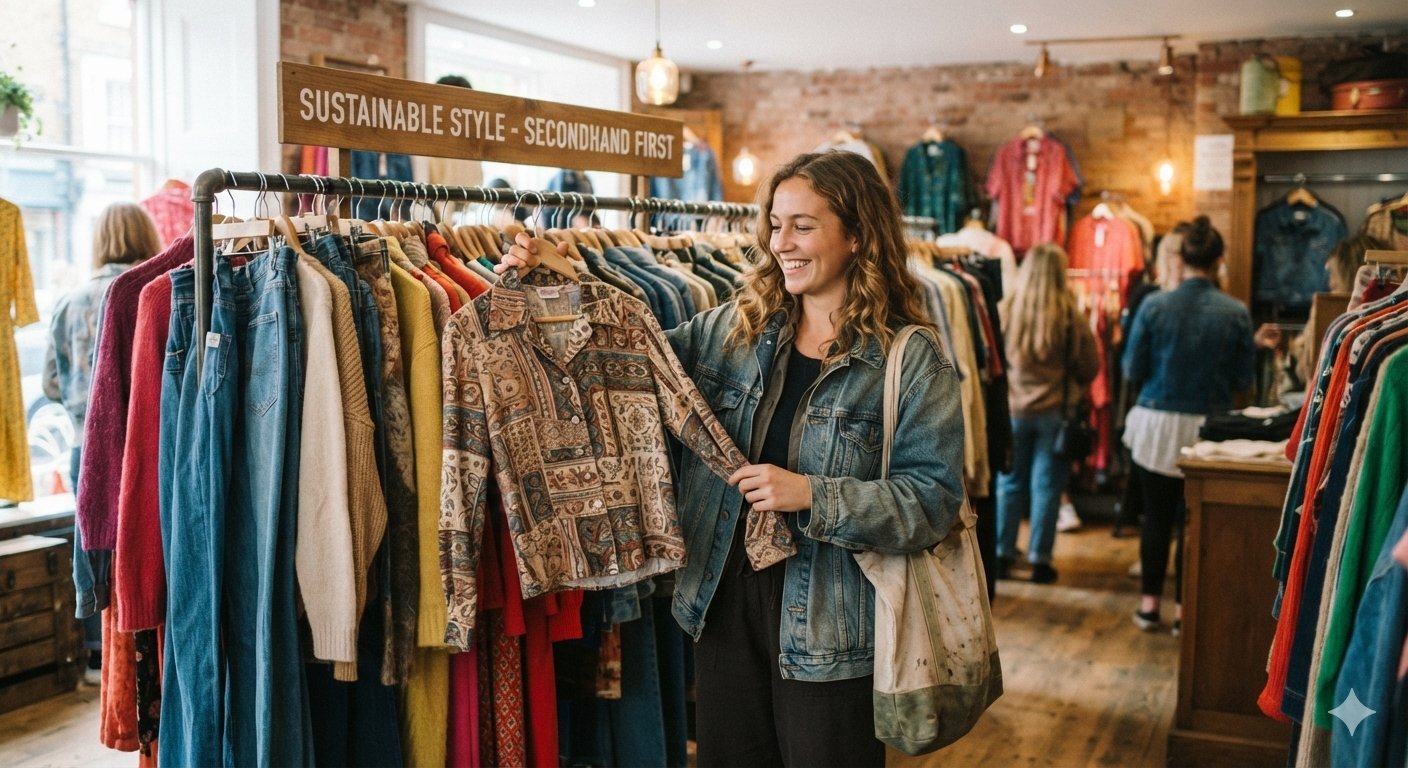
Secondhand, First Choice: How Thrifting Fights the Fast Fashion Crisis
Vastrinaa
Sep 2026
5 min read
The sustainable fashion movement has officially moved from a niche trend to a global necessity, and at the heart of this revolution is thrift clothing. As consumers look for ways to combat the destructive cycle of fast fashion, buying secondhand has emerged as one of the most accessible and impactful solutions.
Here is how thrifting is reshaping our relationship with clothes and helping save the planet.
The True Cost of Fast Fashion
To understand the power of thrifting, we first have to look at the traditional fashion industry. The rise of fast fashion has conditioned us to view clothing as disposable. Brands produce massive quantities of cheap garments to keep up with rapidly changing micro-trends, leading to severe environmental consequences.
- Resource Depletion: It takes roughly 2,700 liters of water to make a single cotton t-shirt—enough for one person to drink for two and a half years.
- Carbon Emissions: The fashion industry is responsible for nearly 10% of global carbon emissions, which is more than international flights and maritime shipping combined.
- Landfill Crisis: Millions of tons of textiles end up in landfills every year, where synthetic fabrics like polyester can take hundreds of years to decompose, releasing greenhouse gases in the process.
Why Thrifting is a Sustainability Superpower
Thrifting directly disrupts this linear "take, make, waste" model by introducing a circular economy. When you buy secondhand, you are actively reducing the demand for new resource extraction.
1. Extending the Lifespan of Garments
The most sustainable garment is the one that already exists. Extending the life of a piece of clothing by just nine months reduces its carbon, waste, and water footprints by around 20 to 30 percent. Thrifting gives a second life to items that would otherwise end up rotting in a landfill.
2. Lowering Carbon Footprints
Because thrifted clothes do not require new manufacturing, dyeing, or long-distance shipping from factories to retail hubs, their environmental footprint is practically zero at the point of purchase. You are bypassing the entire resource-heavy production phase.
3. Shifting Away from Micro-Trends
Fast fashion relies on FOMO (fear of missing out) to sell clothes. Thrifting encourages a completely different mindset. Instead of buying a mass-produced item that everyone else is wearing, secondhand shopping allows you to curate a unique, personal style. It forces you to look at the quality, structure, and longevity of a garment rather than its brand name or trend status.
Beyond Environmentalism: The Ethical and Financial Perks
While the planet benefits immensely from thrifting, your wallet and the global community do too.
- Ethical Consumption: Fast fashion is notorious for poor labor practices, unsafe working conditions, and unfair wages. Thrifting keeps your money out of the pockets of unethical corporations.
- Affordability: You can often find high-quality, durable, and even designer pieces for a fraction of their original retail price.
- Supporting Local Communities: Many thrift stores are operated by non-profits or local charities. The proceeds from your purchases often fund community programs, job training, or shelters.
How to Build a Sustainable Thrift Habit
If you are new to thrifting, the experience can feel a bit overwhelming compared to organized retail stores. Here are a few tips to make your secondhand journey successful:
- Shop with a Plan: Make a list of what your wardrobe actually needs so you don't end up over-buying items just because they are cheap.
- Check the Quality: Look closely for stains, missing buttons, or broken zippers. However, don't pass up an amazing item just because it needs a simple fix—learning basic mending or taking an item to a local tailor is part of the sustainable lifestyle.
- Focus on Fabrics: Look for durable, natural fibers like cotton, linen, silk, and wool. These materials last longer and feel better than cheap synthetics.
The Takeaway
Thrifting is more than just a budget-friendly way to shop; it is a vote for a cleaner planet. By choosing secondhand over fast fashion, you are resisting a culture of overconsumption and proving that style does not have to come at the cost of the Earth. Next time you need a wardrobe refresh, skip the mall and check out a local thrift shop or online marketplace instead.